Intuit has introduced the Intuit Business Credit Card, a World Elite Business Mastercard built to sync natively with QuickBooks. The launch pushes Intuit deeper into the spend-management space that has become a battleground for ERP and accounting platform vendors.
The News
The card connects directly to a business’s QuickBooks bank feed the moment it’s approved, syncing transactions, receipts, and statements without manual reconciliation. Highlights include:
– Native QuickBooks sync, with receipt photos auto-matched to transactions
– Fast approval, with qualified applicants getting a usable virtual card in as little as three minutes
– Rewards: unlimited 2% cash back on general purchases, 5% on Intuit products, no annual fee
– Unlimited employee cards with individualized limits and real-time controls
– Clean separation of business and personal finances, with auto-categorization to help identify deductible interest
– AI-driven cash flow insights built from combined card and QuickBooks data
The card is issued by WebBank on the Mastercard network and joins Intuit’s existing capital lineup: QuickBooks Capital lines of credit, term loans, and invoice financing.
Why It Matters for the ERP Market
This is a data and workflow play as much as a banking one, and it has real implications for accounting and ERP software.
Intuit is closing the loop on transaction data. ERP and accounting vendors have long competed on who owns the general ledger. This move shows the next fight is over who owns the transaction as it happens. When the card itself is a QuickBooks product, categorization and reconciliation occur inside Intuit’s ecosystem before any competing platform gets a chance to touch the data. That widens the moat against both accounting rivals (Xero, Sage, Zoho Books) and fintech spend management players (Ramp, Brex, BILL, Airbase).
ISVs face new competitive pressure. Independent software vendors that built expense management, receipt capture, or corporate card tools around syncing into QuickBooks now face a first-party competitor with a structural advantage: Intuit doesn’t need an API partnership, it is the bank feed. Expect these ISVs to lean harder into multi-ERP support (NetSuite, Sage Intacct, Microsoft Dynamics, Acumatica) and mid-market features that a QuickBooks-only card can’t touch.
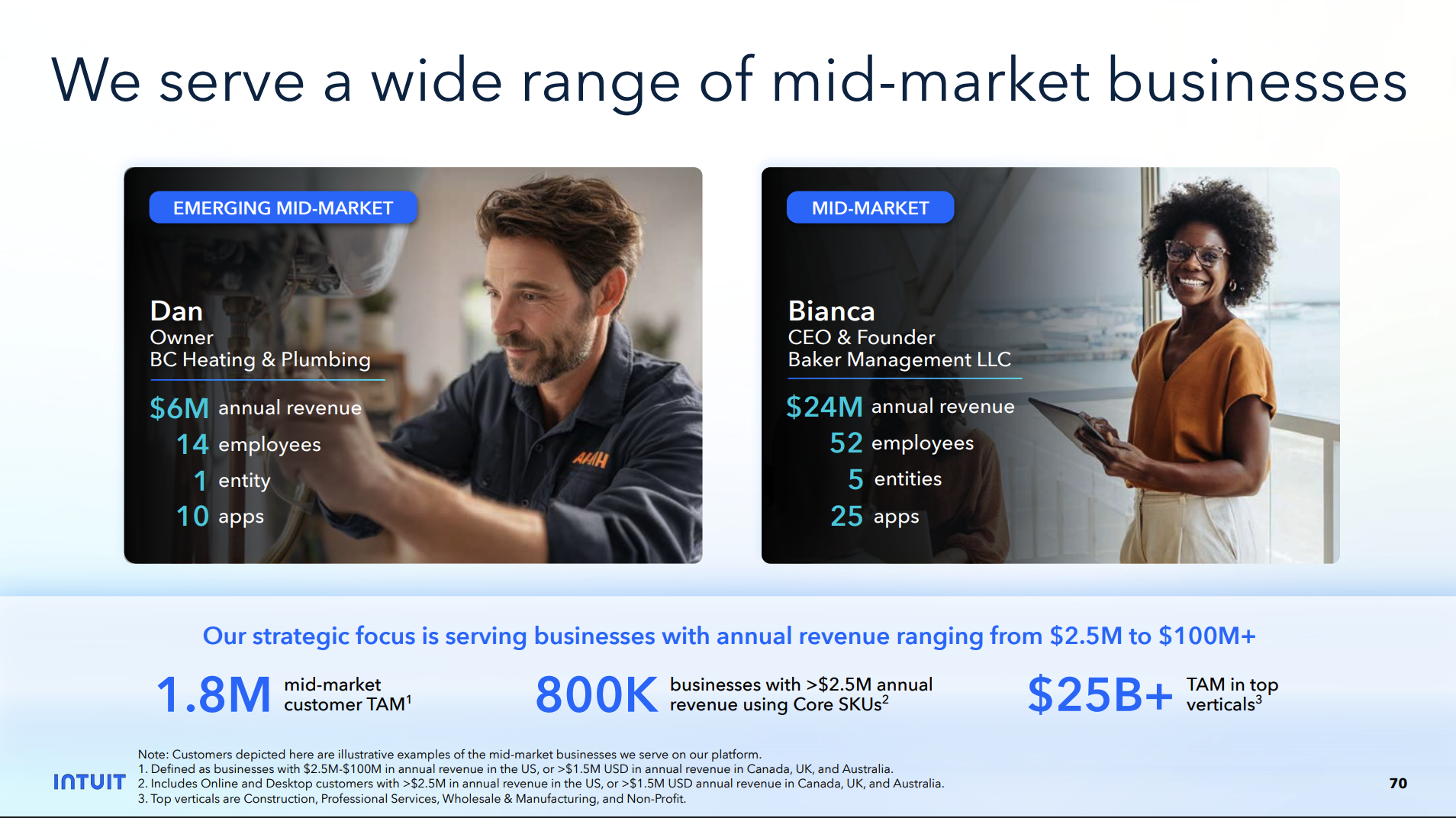
It’s another step upmarket. Intuit has been steadily moving upmarket with Intuit Enterprise Suite. Paired with recent QuickBooks Capital and QuickBooks Workforce announcements, this launch reinforces a pattern: Intuit is building a full financial stack around QuickBooks first, then extending it toward the mid-market. That’s a trend worth watching for anyone competing in the small-to-mid-market transition zone.
The Takeaway
The Intuit Business Credit Card isn’t just a rewards card. It’s another move toward making QuickBooks the financial control center for small businesses, not just the ledger. For ERP and accounting software vendors, it’s a reminder that platform competition increasingly runs through embedded financial products, not just features.
*Availability: The Intuit Business Credit Card is available now to eligible small businesses in the U.S., issued by WebBank on the Mastercard network.*