To the VARs in the Sage, Acumatica, and Microsoft ecosystems: Intuit’s recent announcement, made during Intuit Connect in Las Vegas, of its Intuit Accountant Suite might seem like just another product for CPAs. It is not.
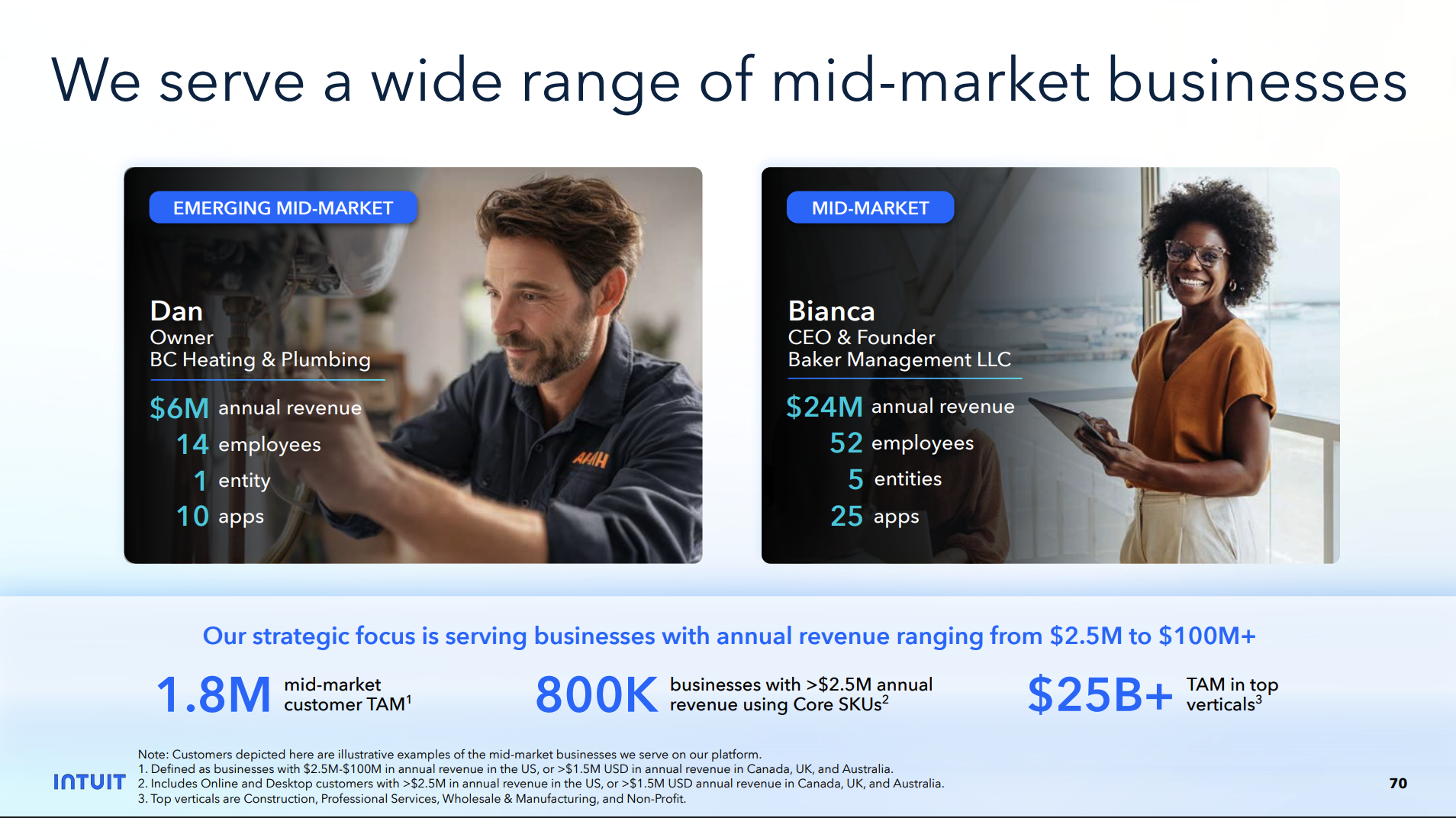
This launch is a highly strategic, long-term move aimed directly at the mid-market. It’s not just a new tool; it’s the foundation of a new go-to-market strategy that leverages the accountant as a primary sales channel, posing a direct competitive threat to your traditional ERP sales model.
It’s essential to understand that this new Intuit Accountant Suite (IAS) isn’t just an update; it’s a strategic replacement for their long-standing QuickBooks Online Accountant (QBOA). For years, QBOA has primarily served as a dashboard, allowing CPAs to access and manage their clients’ individual bookkeeping files. The new, free IAS is a fundamental shift from that model. It’s an AI-powered operating system for the entire firm, designed to manage the practice’s own staff, workflows, and profitability. This pivot from a simple client portal to a comprehensive practice hub is a tactical move by Intuit to deeply embed accounting firms into its ecosystem, creating a powerful incentive for them to recommend Intuit’s own mid-market solutions to their clients.
Here’s a concise breakdown of what was announced and, more importantly, why you should be paying close attention.
The Announcement: What It Is
On October 28, Intuit unveiled its Intuit Accountant Suite, an AI-native platform designed to be a single, unified hub for accounting firms to manage their entire practice: their clients, their teams, and their services.
It’s built on “Intuit Intelligence,” the company’s new AI system, and is designed to eliminate the need for disparate tools. Key features highlighted include:
- Consolidated Client Management: A single sign-in to manage all client files.
- AI-Powered Insights: Tools to analyze firm-level data (like staff utilization) and client-level data (like financial benchmarking).
- Workflow Automation: Features like “Books Close at Scale” (currently in Beta) aim to standardize and accelerate the client close process.
Intuit is making this core suite available to US-based accounting firms at no cost.
The Strategy: Why It’s a Threat to Your Channel
This “no-cost” entry is the critical piece of the puzzle. Intuit isn’t just selling a product; it’s embedding an ecosystem. This strategy is designed to activate the CPA channel as a powerful, built-in sales force for Intuit’s mid-market products.
As mosts VARs know, the CPA is one of the most powerful players in any mid-market software deal.
- They are the Trusted Advisor: The CEO’s first call when contemplating a new system is often to their CPA.
- They are the Recommendation Engine: CPAs recommend systems that make their own lives easier, cleaner, and more profitable.
- They are the Deal Veto: A CPA may not sign the check, but they can—and often do—kill a deal by expressing reservations about a system’s reporting, audit trail, or integration.
Intuit’s new playbook could be a direct assault on this dynamic.
The Playbook: How Intuit Could Win the Recommendation
Here is the likely three-step strategy this new, free platform enables:
- Embed the Firm: By offering the Accountant Suite for free (at least initially), Intuit removes all friction for a CPA firm to adopt it. The goal is to get the firm to run its own practice on Intuit’s platform.
- Create Ecosystem Lock-in: Once a firm’s workflows (like capacity planning, document management, and monthly close) are running on the Intuit suite, its “AI-powered” features will naturally work best with clients also on an Intuit platform. It creates a simple path of least resistance.
- Activate the “Pull” Market: This is the payoff. When a mid-market client outgrows their basic accounting and asks their trusted CPA for a recommendation, the CPA has a powerful incentive to recommend Intuit’s mid-market solution. It’s the system that plugs directly into their own management hub, simplifying their workflow and unlocking the value of their new AI tools.
This strategy shifts the market from a “push” model (where you, the VAR, must find and educate customers) to a “pull” model, where customers will come to you already asking for Intuit because their CPA told them to.
The Takeaway for VARs
Intuit is making a bet that by winning the accountant’s desktop, they can win the accountant’s recommendation.
For VARs partnered with Sage, Acumatica, and Microsoft, the competitive battleground isn’t just about features and functions anymore. It’s about the strength of your own CPA partner channel. Now is the time to reinforce your value proposition to the accountant and ensure your ecosystem remains their preferred, trusted solution.